 ModelBattle
Prompt several frontier models at once. Keep the best.
Your request goes to 4 of the latest frontier models at once, and each one builds it. You compare the results two at a time, keep the best, and only at the end see who made what. Every pick is a vote, and the votes rank the models.
A one-screen landing page for a Lisbon bakery called Migalha, as index.html. Keep it to a single file.
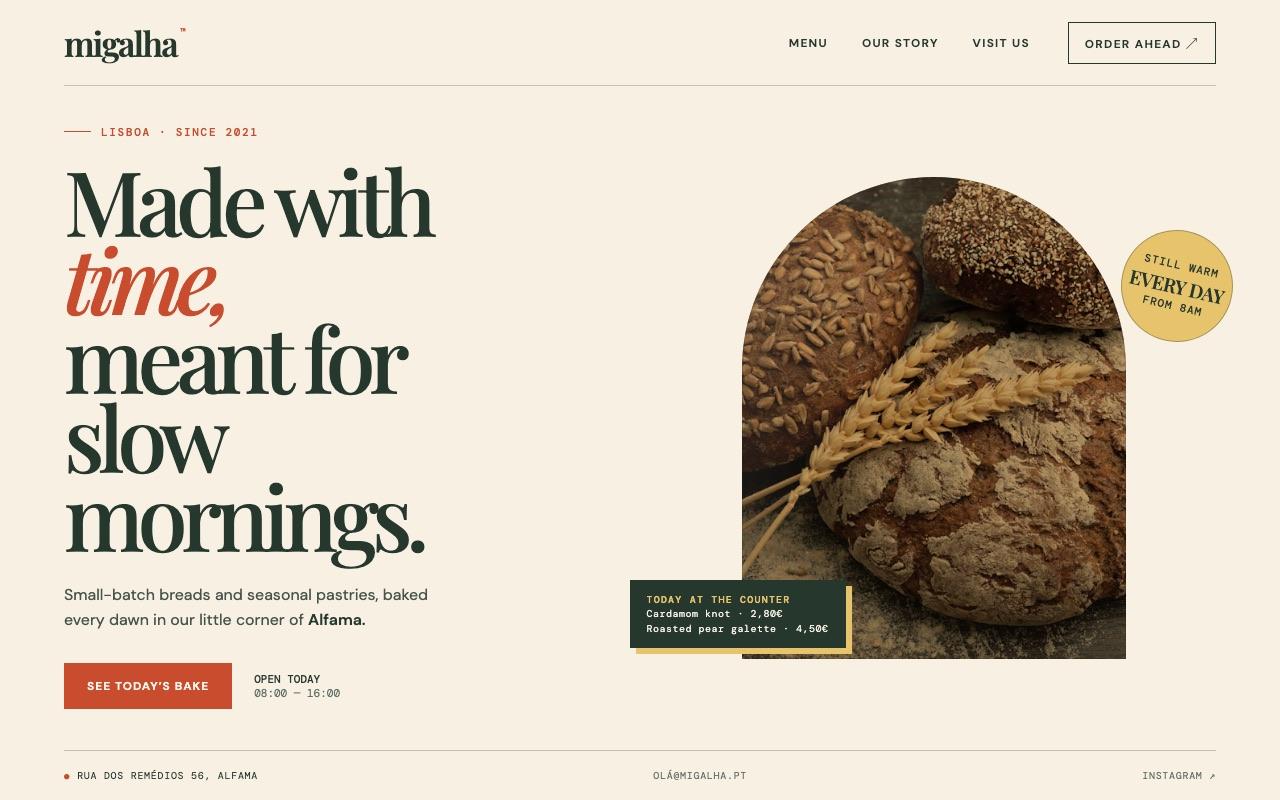

Two real answers from the arena. Names stay hidden until the last round.
4 answers, up to 5 rounds
Every round shows two answers side by side. The bracket below turns your picks into a full ranking, first to fourth.
If the tie-breaker pair already met in round 1 or 2, that earlier vote decides it and four rounds are enough. If an answer fails, its rounds are settled without asking you, and they do not count as votes.
Then the names are revealed
When the bracket is complete, all four models are named and ranked. The conversation carries on from the winner.
The winner stays in the ring
Ask for a change and the winner answers again in a new tournament, against 3 other models, new ones first.
You can carry on from another answer instead of the winner: the turns after it are set aside, and the votes stay as you cast them.
Apps, websites, anything with code
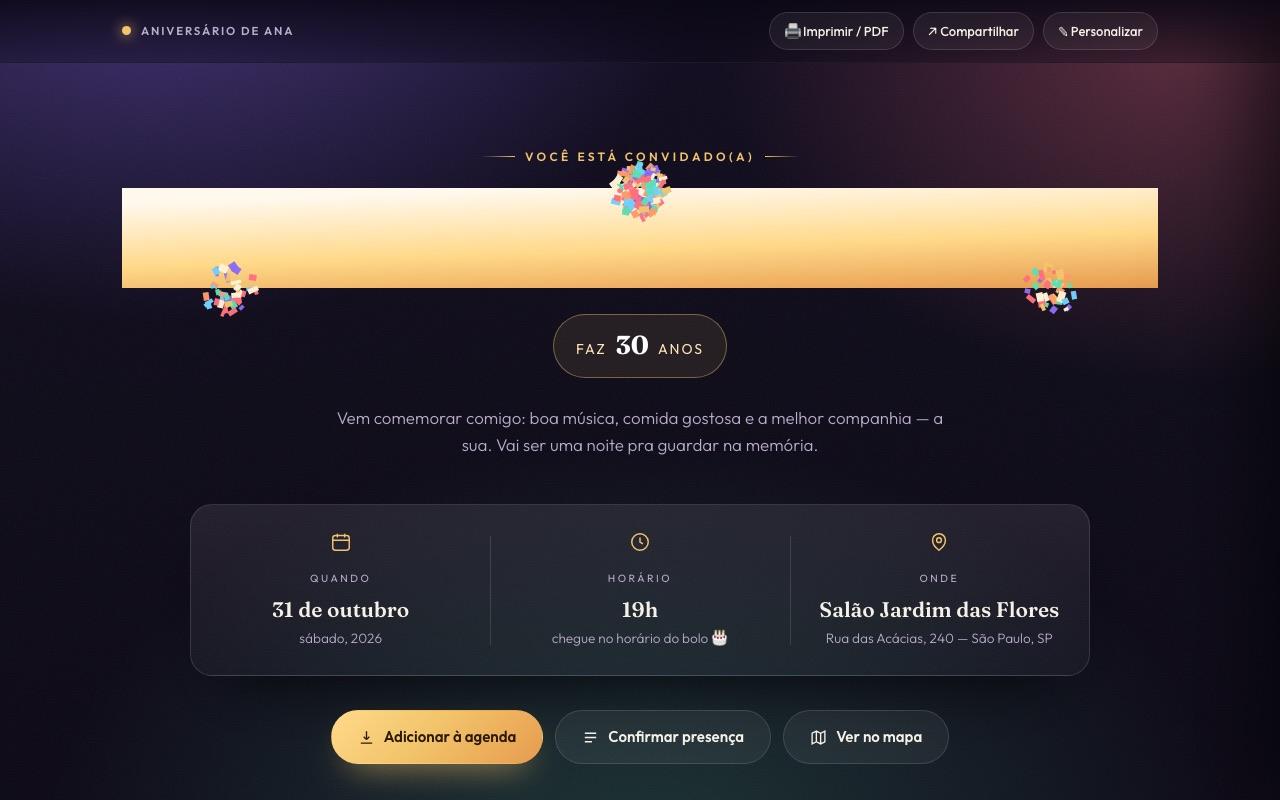
Ask for anything you can build with code: an app, a website, a game, a dashboard, a report. Here is another real pair from the arena.
Crie um convite de aniversário para, ok?

Same tools, same limits
Every model gets the same instructions and the same environment, and is told never to name itself.
A sandbox each
A Python sandbox with internet access, so a model can research, compute and build.
Live pages
An index.html becomes a page you can open full screen, with the code one tab away.
Real files
Anything else it writes is a download: code, data, documents. Earlier files carry into the next turn.
The same clock
About 12 minutes and 40 steps per answer.
Which models compete
Models come from the Vercel AI Gateway catalog, read on every request. Each tournament draws four of the newest models of a few families, every one equally likely. The Models page shows these and every model that has answered before, with what the arena measured.
Every tournament draws from
13 modelsHow ratings work
Every round you decide is one comparison between two models, and every comparison counts the same. Rounds settled because an answer failed, and picks made before the tournament, are not counted.
Bradley-Terry
From all comparisons we estimate how likely each model is to be preferred over any other, including pairs that never met directly.
Rating = 1000 + 400 × log₁₀(strength)
Every rating comes with a ± margin, its 95% interval against the models it was compared with; it narrows as votes add up. A model is ranked once it has 20 battles; until then it is listed after the ranking.
What a gap means
Chance that the higher-rated model is preferred:
- Same rating50%
- +100 points64%
- +200 points76%
- +400 points91%
What we store
Every turn
Your request, every answer, and each round you decided. Rankings and matchups are public, as totals.
Your conversations
Not shown to other people on the site. Delivered files open through signed links, so anyone you give a link to can open that file.
Model labs
Prompts, outputs and your choices may be shared with the labs that make the models. Do not submit anything you do not want shared.
Details in the privacy policy.